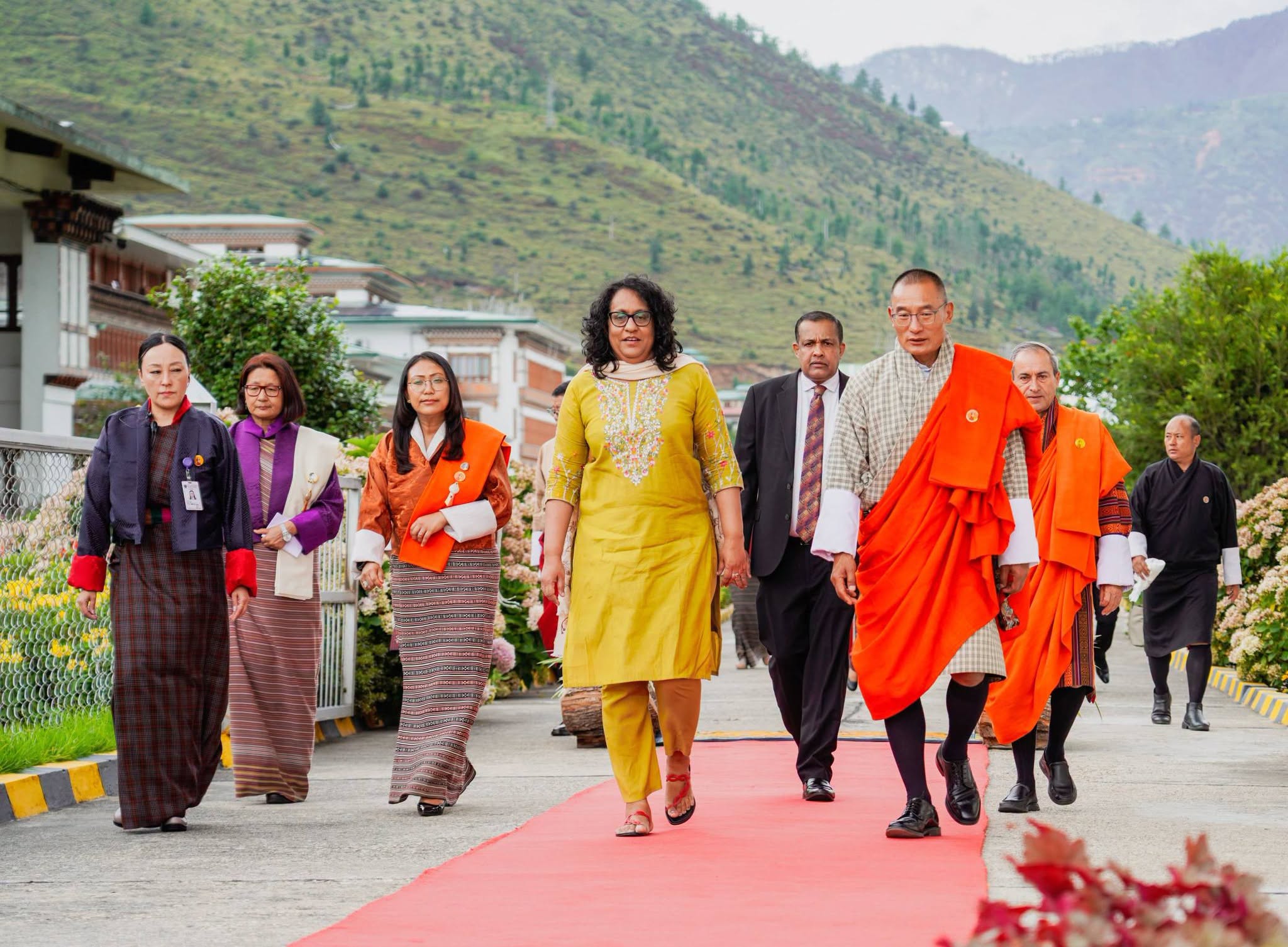




NAIROBI, Kenya — Sri Lanka has highlighted the growing role of universities, research and indigenous knowledge in tackling climate change as Acting High Commissioner to Kenya Ruvini De Silva opened the Second African Universities and Communities Climate Week 2026 at Kenyatta University.
De Silva attended the opening ceremony as the Chief Guest, joining researchers, academics, policymakers, development partners, community leaders, indigenous knowledge holders, students and young leaders from across Africa and beyond.
The event was jointly organised by the Department of Environmental Science and Education at Kenyatta University and the Africa Community of Planetary Partners for Health and Environment (ACOPPHE).
Universities urged to turn climate research into action
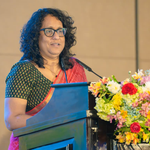
During her keynote address, De Silva said climate change in Africa was no longer a distant threat but a reality affecting communities through droughts, floods, food insecurity, biodiversity loss and increasing health risks.
She stressed that climate change should be viewed not only as an environmental issue but also as a development, public health, economic and human dignity challenge.
The conference was held under the theme:
“One Health for One Planet: Leveraging Local and Indigenous Innovations to Unite Urban and Rural Communities for Sustainable Development and Climate Action.”
De Silva emphasised the close connection between human health and planetary health, calling for solutions that bring together scientific research, indigenous knowledge and community experience.
She highlighted the important role of universities in transforming research and academic knowledge into policies, technologies and practical solutions that can benefit local communities.
Indigenous knowledge and youth highlighted
The Acting High Commissioner also called for greater cooperation between scientific institutions and indigenous communities, noting that local knowledge holders have preserved generations of knowledge about ecosystems and environmental sustainability.
She stressed that effective climate action requires inclusive and intergenerational partnerships, with Indigenous Peoples and young people playing a meaningful role in decision-making.
“Universities can serve as bridges between scientific knowledge, communities and policymakers,” was the key message of her address, as she encouraged participants to move beyond research and discussion towards practical climate solutions.
Kenyatta University strengthens university-community links
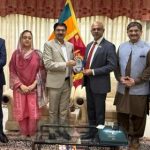
The programme began with a courtesy meeting between De Silva and Kenyatta University Vice-Chancellor Prof. John Okumu, where they discussed strengthening cooperation among universities, communities and other stakeholders in addressing environmental and climate challenges.
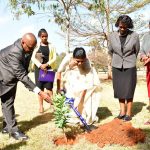
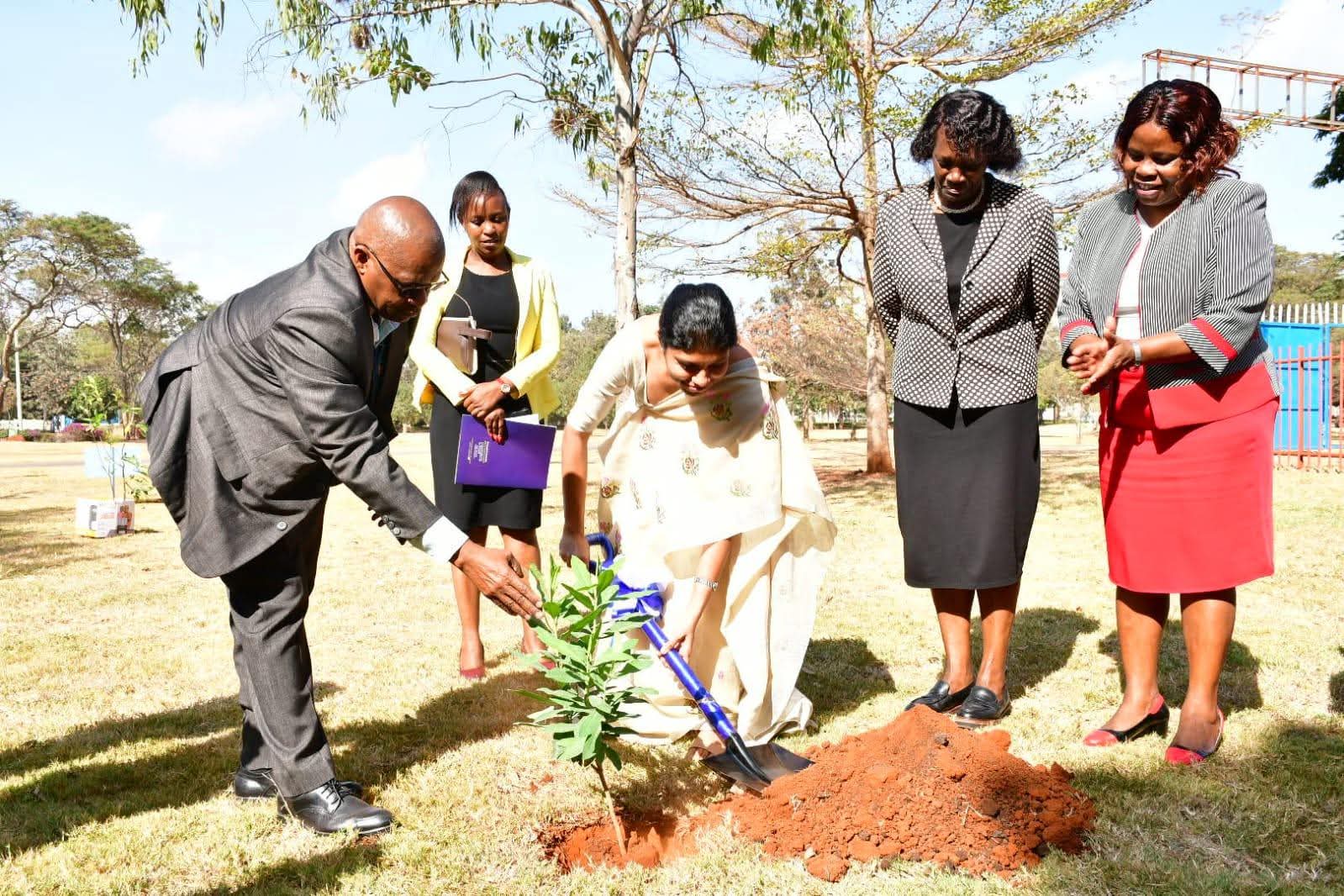
The Acting High Commissioner also joined the Deputy Vice-Chancellor and other participants in a tree-planting initiative, symbolising the shared commitment to environmental protection and climate action.
De Silva officially declared the African Universities and Communities Climate Week 2026 open and expressed hope that the event would strengthen partnerships between universities and communities, science and society, and local innovation and global climate action.
Sri Lanka’s participation highlights its interest in expanding international cooperation in climate research, environmental education, knowledge sharing and community-based approaches to sustainability.