






COLOMBO, Sri Lanka — Sri Lanka plans to finalise and implement a new National Youth Policy by the first quarter of 2027, with education, vocational skills and digital competencies expected to play a central role in preparing young people for a changing global economy.
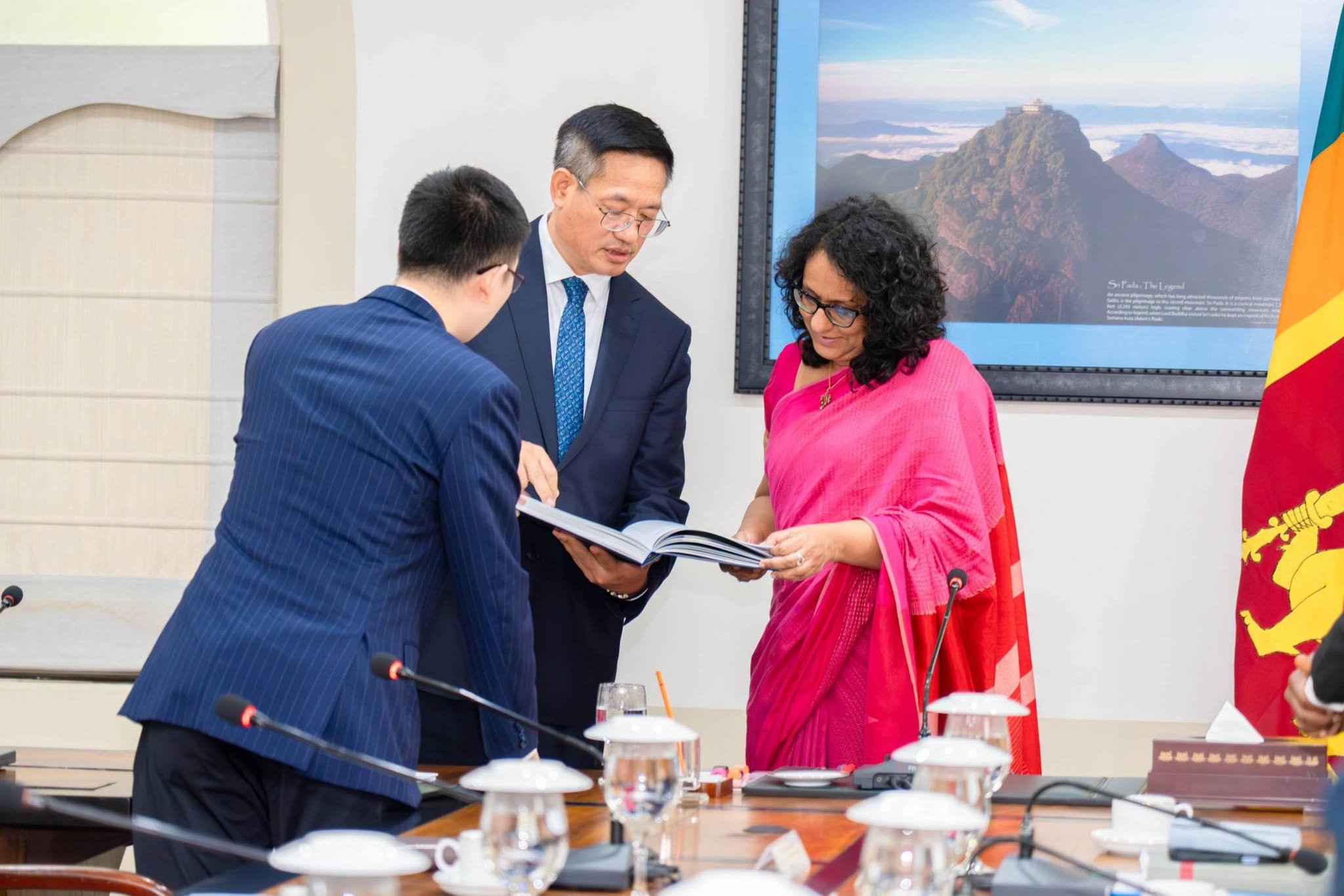
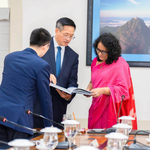
Prime Minister Dr. Harini Amarasuriya announced the timeline on September 16 while addressing the 1st National Research Symposium on Youth Development (NRSYD 2026), jointly organised by the Open University of Sri Lanka and the Ministry of Youth Affairs and Sports.
The proposed policy is being developed to respond to the challenges facing Sri Lanka’s young people, while addressing their aspirations and the changing demands of technology, the economy and the employment market.
Sri Lanka to Reconsider Youth Education and Skills Development
Highlighting education as a key component of youth development, Prime Minister Amarasuriya said that academic knowledge alone is no longer sufficient in an environment shaped by rapid technological advancement and digitalisation.
She said young people need to acquire practical, technical and vocational skills alongside academic qualifications.
The Prime Minister also called for curricula within Sri Lanka’s existing education system to be updated in line with emerging technologies and global employment demand.
The education focus is particularly significant as countries worldwide seek to equip young people with skills for increasingly digital economies, evolving workplaces and emerging industries.
New Youth Policy to Address Changing Labour Market
Sri Lanka’s new youth policy is being formulated with the participation of multiple stakeholders and will take into account changes in technology, the economy and the employment market.
A draft National Youth Policy was prepared in 2014 but was not implemented, according to the Prime Minister.
The new framework is intended to provide a unified set of guidelines and recommendations for addressing youth-related challenges through evidence-based and sustainable approaches.
Prime Minister Amarasuriya stressed that developing the policy would only be the first step, with its effectiveness depending on implementation, monitoring and evaluation.
Research Focuses on Education, Technology and Youth Employment
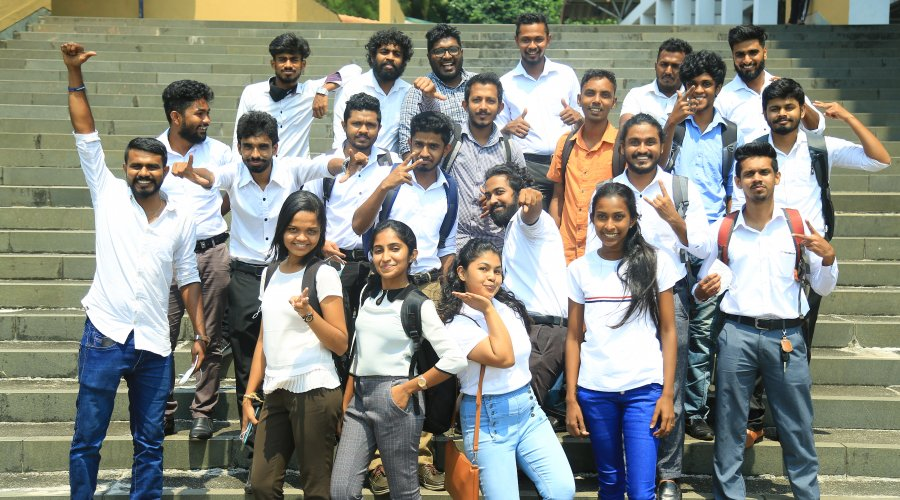
The NRSYD 2026 symposium brought together researchers, academics and young people to examine youth development under the theme, “Young People as Right Holders and Change-Makers: Asset-based Pathways for Social Transformation.”
Research presented at the symposium covered nine areas, including:
- Youth empowerment and leadership
- Education, vocational training and skills development
- Health, mental well-being and nutrition
- Youth entrepreneurship and economic participation
- Technology, digitalisation and innovation
- Climate change and sustainable development
- Social integration and the rule of law
- Youth migration and international relations
- Arts, culture and creative expression
The broad research agenda reflects the interconnected challenges facing young people, from access to education and employment to digital transformation, migration and social participation.
Rs. 145 Million Allocated for Youth and Sports Research
Under Sri Lanka’s Public Investment Programme, Rs. 145 million has been allocated for research and development activities in the youth and sports sectors, while Rs. 5 million has been allocated for the 2026 research symposium.
The government says the investment is intended to support evidence-based policymaking in youth development.
The Prime Minister also said there is a proposal to transform the research symposium into an international conference in 2027, potentially creating opportunities for Sri Lankan researchers to build regional and international academic networks.
Building Skills for a Changing World
The proposed National Youth Policy comes as Sri Lanka seeks to align its education and skills-development systems with technological change and international labour-market requirements.
For young people, the policy could provide a framework linking education, vocational training, digital skills, entrepreneurship and employment opportunities more closely.
The government expects the policy to be finalised and implemented during the first quarter of 2027.